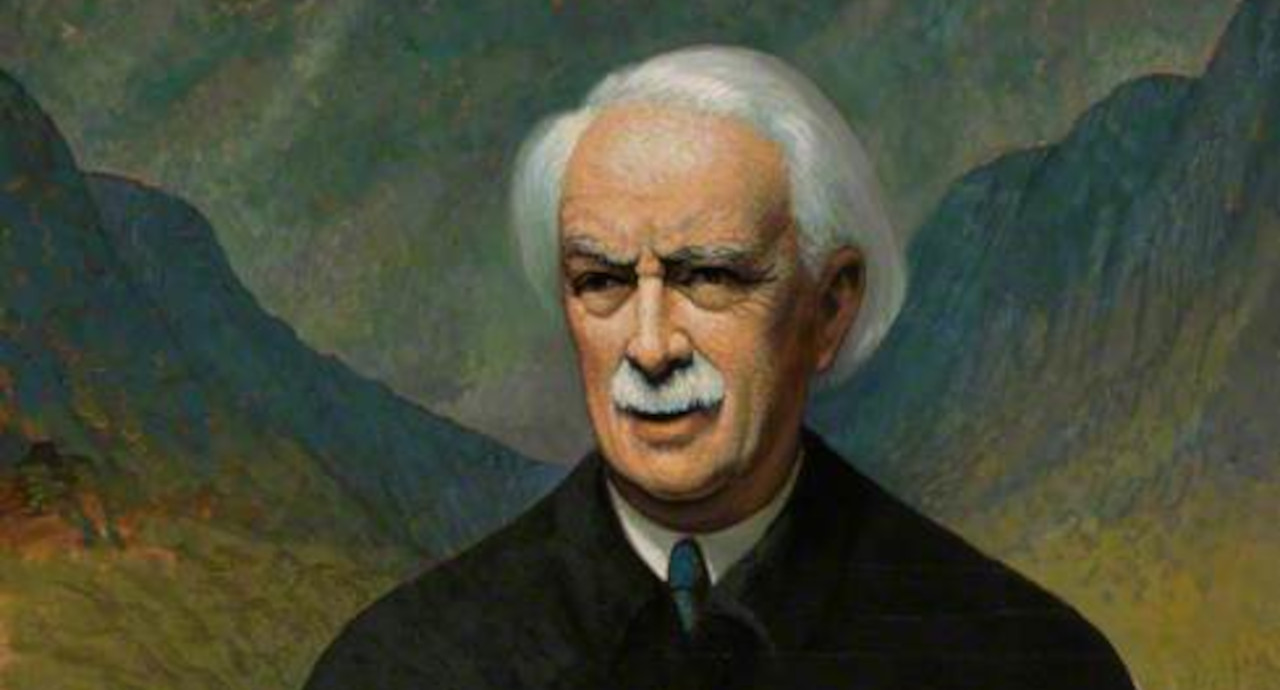
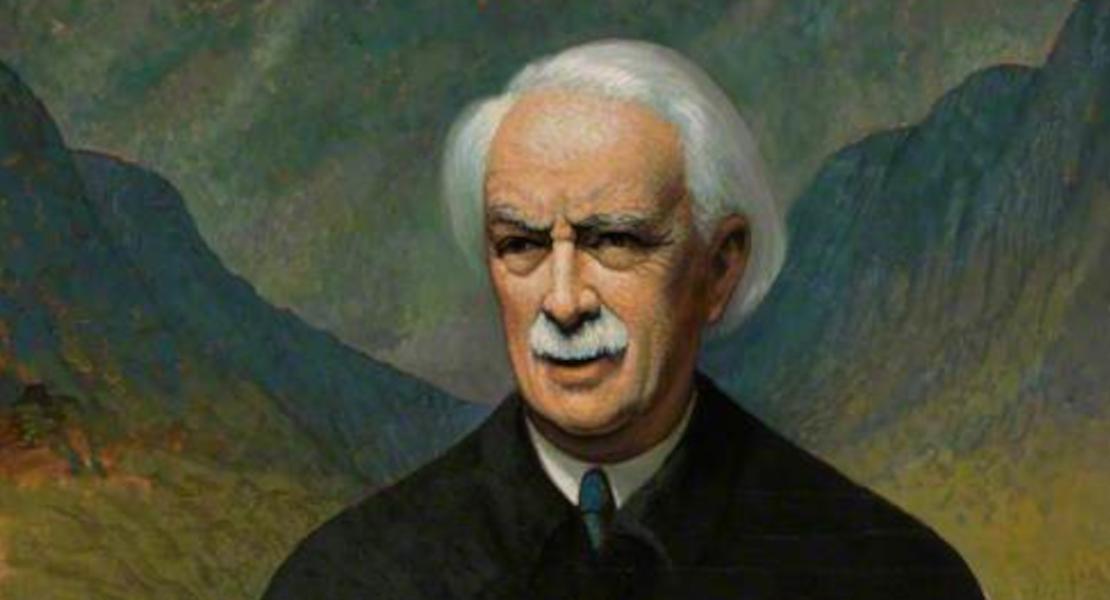
Frances, Lloyd George's second wife was the force behind establishing a permanent memorial for him in Llanystumdwy. It was originally intended to establish an agricultural college, land was donated by Frances to the former Caernarfon District Council and an appeal fund was started. After a number of years, it was decided that the plan was not practical. However, at the same time, the roots of the Lloyd George museum were being planted in the village. In 1946, the numerous freedom boxes and decorated scrolls were exhibited in the village institute, in accordance with Lloyd George's wish. Men of the village protected the treasures day and night. During summer 1946, over 29,000 visitors came to view the collection! As a result of this success, a permanent exhibition was created in Penybont in the centre of the village. A Trust was established to administer the Museum with the artist John Petts as curator. The iconic painting of Lloyd George on the right was painted by John Petts.
In 1951, John Petts left Llanystumdwy and Ann Parry, Lloyd George's Welsh Secretary since 1932 became curator. It was decided to build a small Museum as a permanent home for the increasing collection of artefacts linked to Lloyd George. To facilitate this the land donated to the agricultural college and money in the appeal fund were transferred to the Museum Trustees . The new museum was designed by the famous, and local, architect, Clough Williams-Ellis and construction began in October 1958. Within a year, the construction work had been completed and the collection was moved from Penybont to the new museum. Ann Parry moved into one of the private rooms that was attached as residence for a curator. The museum was officially opened on 8 May 1960 by Dr William George, Lloyd George's brother who was 97 years old.
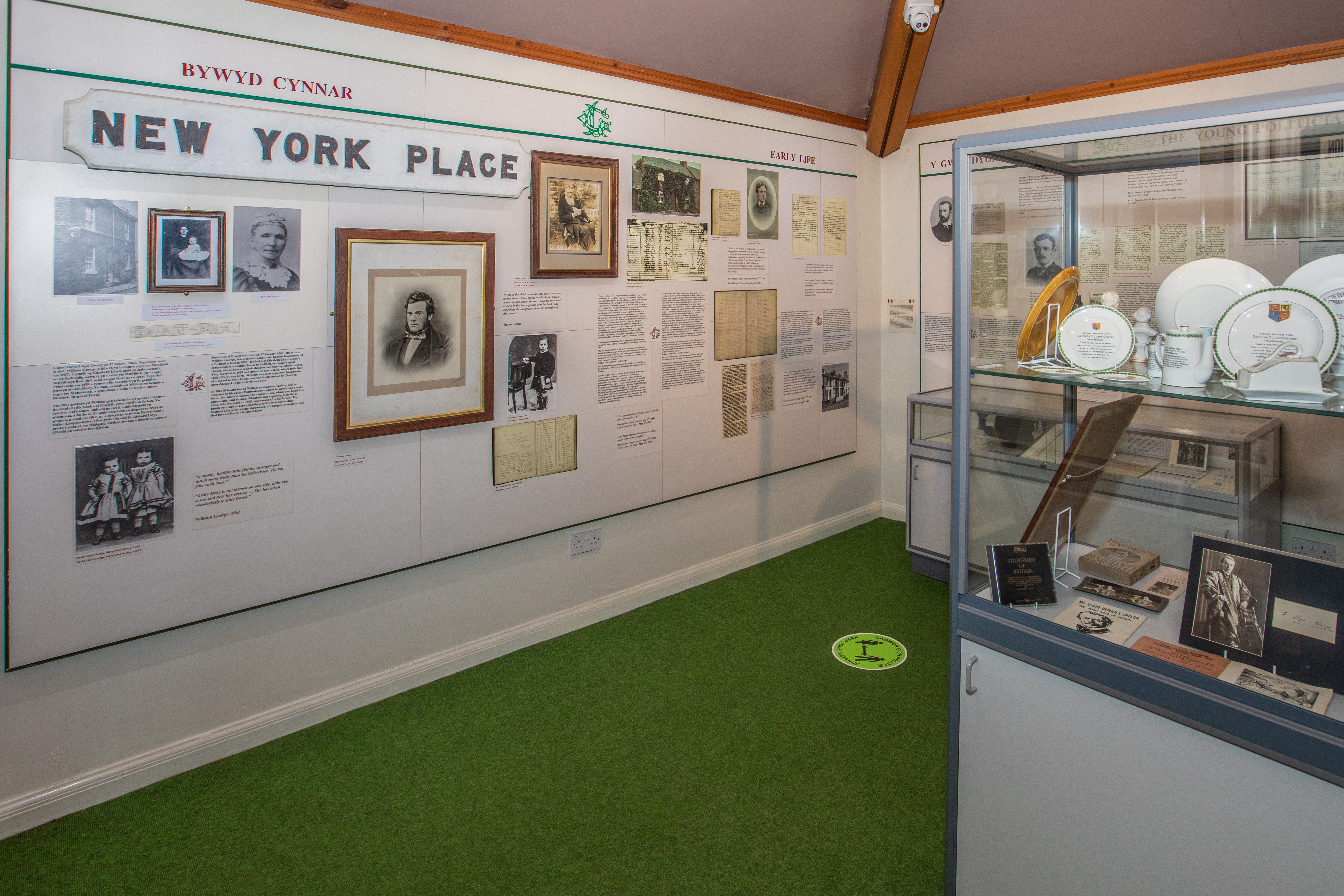
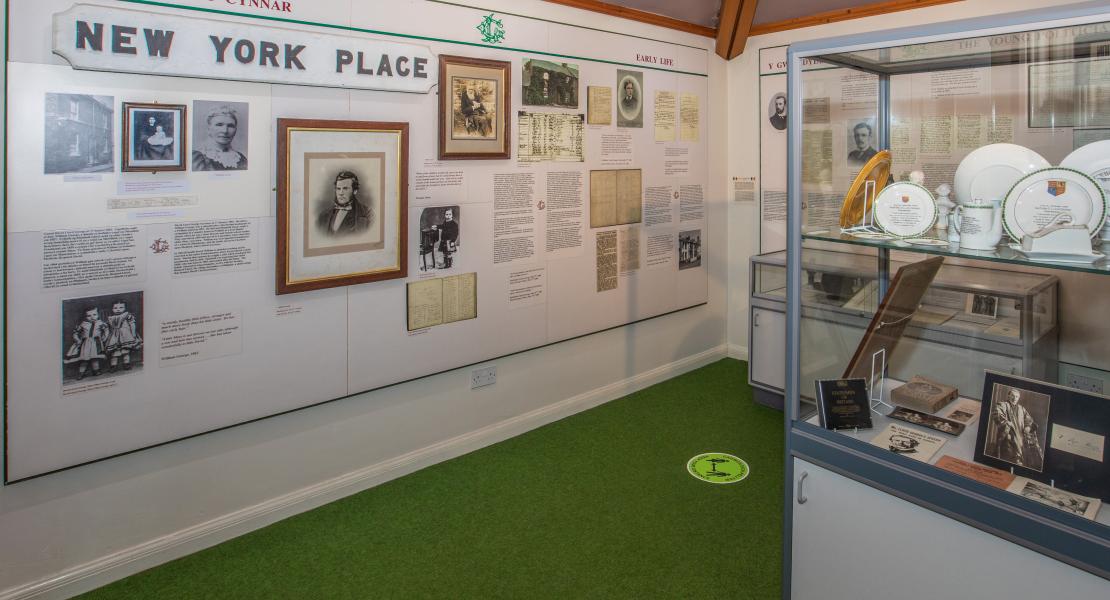
The Trust continued to maintain the Museum until the mid 1980s when Gwynedd County Council took over the responsibility at their request. A large extension on the original museum was erected including a small theatre funded by the Lloyd George Premiership Centenary Appeal and it was officially opened by Lord Callaghan in December 1990. He was the only other Member of Parliament from another constituency in Wales who became Prime Minister.
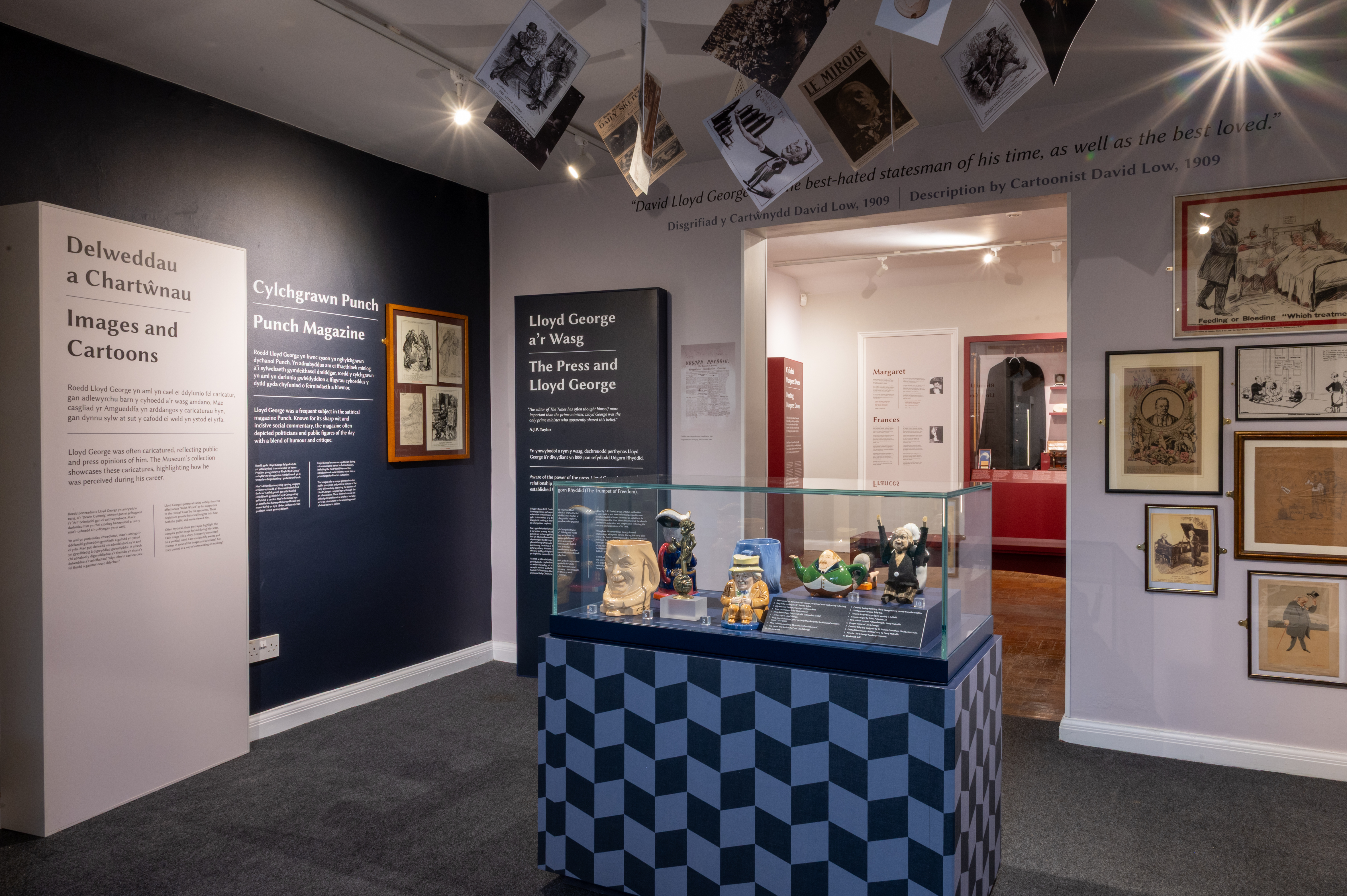
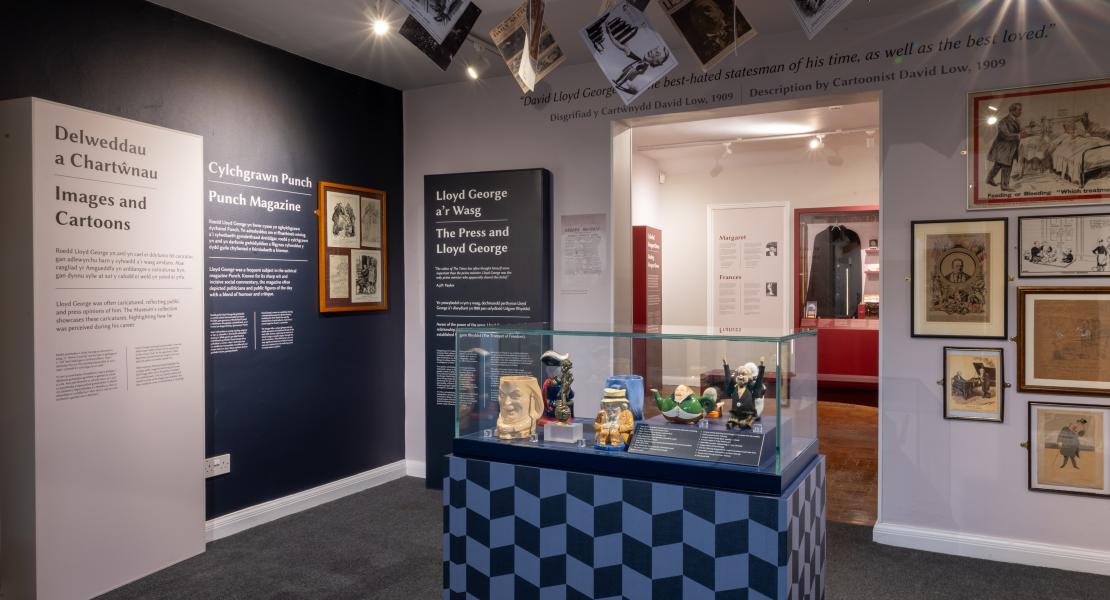
The Lloyd George Museum entered an exciting new chapter in 2023–24 with a comprehensive redevelopment of our displays, bringing fresh energy and perspective to the story of one of Britain’s most influential political figures. The redesigned galleries combine carefully selected historic objects with modern interpretation and engaging visual elements, creating a more immersive and accessible visitor experience. This transformation not only refreshes how Lloyd George’s life and legacy are presented, but also opens up new conversations about his impact on Wales, Britain and the wider world. Visitors are invited to explore the renewed spaces and discover familiar stories in new and thought‑provoking ways.